Monday, December 12, 2011

Santa Came Eearly to Chumillos

On the Saturday morning of December 10th, a bunch of Canadian expats and/or their spouses drove to the mountain village of Chumillos in a convoy of four cars packed to the brim. We were on a mission to deliver Christmas gifts to the villagers and the gathering point was at an elementary school called Carlos Iguamba Andrango. Sharing during Christmas brings tremendous joy to many and makes the celebrations all the more special, and this is why these Canadians have done this every year since they've been here. The Canadians had collected cash and our Ecuadorian friend and secretary Susana Gallardo had organized the buying and packaging; of clothes, food baskets, toys upon loads of children toys and lots of candy and biscuits. I was really excited. This was going to be a fun day.

Road sign to the school
We had been warned to dress warm as it got quite cold up in the mountains and the weather could change drastically.But the heavy jackets and boots turned out to be unnecessary. The heavens were smiling down on us and it turned out to be a beautiful sunny day. Driving up those picturesque mountains was as it is often here, a relaxing photographic, joy ride. All the way up were homes scattered here and there, cows, sheep, donkeys and an ocassional horse grazed everywhere and chickens ran around. And as is typical of Latin America, there were dogs of every size and species everywhere. Men, women and some children worked in farms of corn, potatoes, peas and beans. Being in Ecuador’s farming communities always makes me nostalgically think of Kinangop or Nyandarua, places in Kenya with similar climate and crops.


Offloading the gifts
Along the narrow and winding road that chilly morning, we met groups of children whom we stopped to give some candy to. On arrival at the school, we found our contact guy waiting and within minutes people started trickling in from all sides of the mountains. They must have seen the cars drive through the mountains, as well as the power of cell phone. In about half an hour, it seemed the entire village was in attendance. After a short general introduction, we began distributing presents starting with the children, bags of clothing, and finally on to the food baskets, one basket per household.  


Chatting up some shy kids and   
sharing candy as we await others.
The joy of giving for us was tremendous. The boys particularly were overjoyed with the soccer balls. The women too smiled shyly as they quietly chatted amongst themselves, huddled together against the morning chill. But all in all, it was a rather quiet affair. If you’ve been to any part of Africa, you know what I’m talking about. I’ve observed that Ecuadorians though very open with their emotions are rather quiet on gratitude and appear to be reluctant receivers.  Observing them, it appeared to be just another day for them and I couldn’t help but think of the song, dance and clapping that would have come with such an occasion anywhere in Africa. But then again, we’re different peoples with different cultures. We went back home fulfilled, hoping we had given someone a reason to smile this Christmas.

Sunday, December 4, 2011

December 6 and Fiestas de Quito

On Thursday last week, one of my classmates asked me if I liked chivas. I didn’t know what that was so he explained that chivas are the brightly decorated open "party" buses that I’ve been seeing all around town lately. These buses run along the city streets with live bands playing and people riding around on them in a festive mood; dancing, singing and shouting "Viva Quito"!

In December, Quito, the capital of Ecuador, celebrates its "Spanish Foundation" by the Conquistador Sebastian de Benalcazar on December 6, 1534. The partying starts one week before and everyone I meet wants to know if I’m taking part in any Fiesta de Quito.

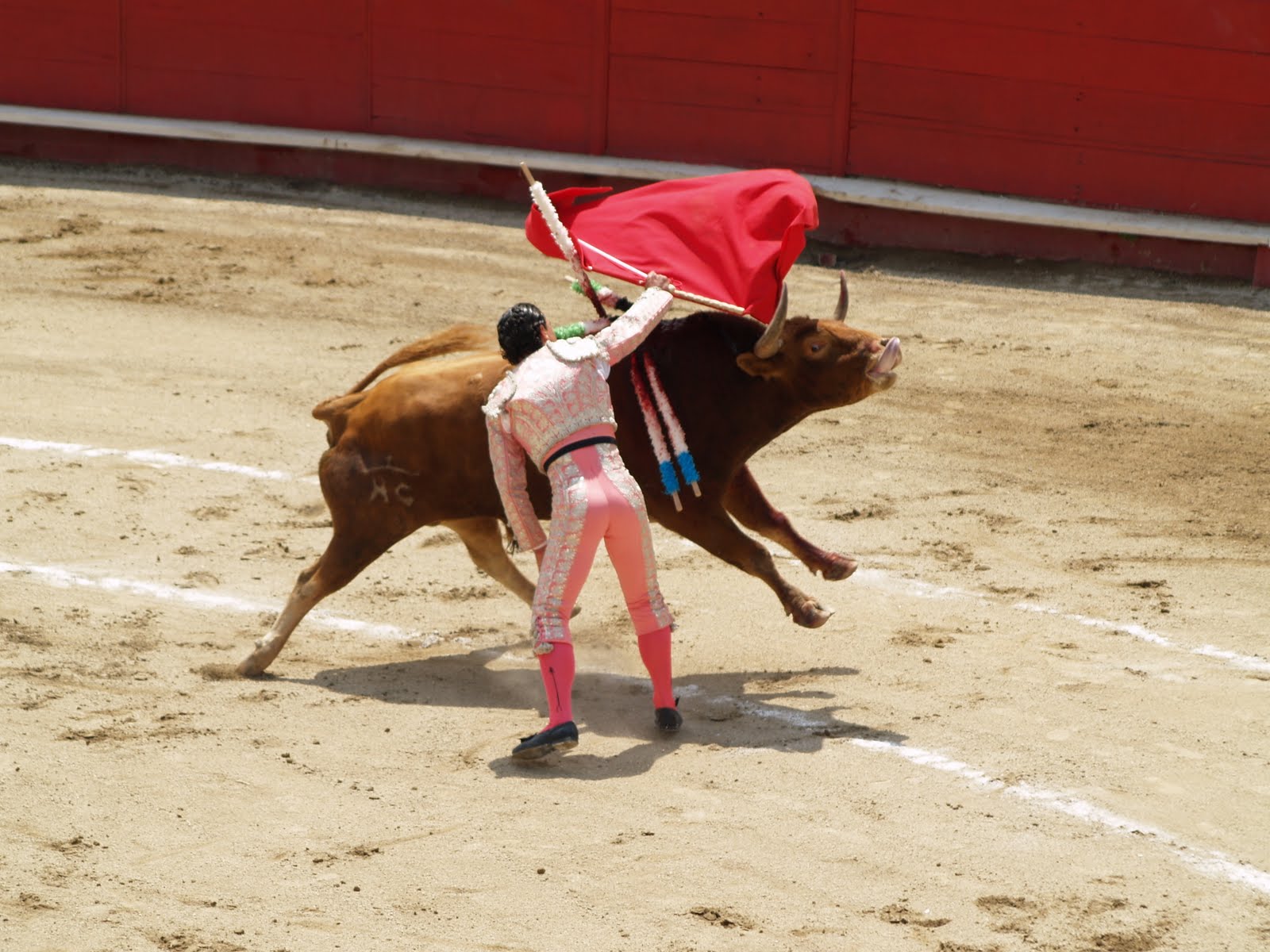
A central event during this celebration is the bullfights, which boast participation of both local and international matadors. Bullfights for this year are already on at the Plaza de Toros de Quito, and I’ve been advised to avoid that part of town owing to huge crowds. There are also flamenco dances, [I’m supposed to attend one] and people all around seem to be enjoying long lunches, dinners and city walks.


Top: Picadores observe the proceedings, while below, matador and bull fight it out at the Plaza de Toros de Quito.
Photos by Mirek Futkowski 
The different barrios or neighbourhoods organize dancing in the streets, mostly featuring live orchestras. People come in groups of friends or family, to socialize, listen to the music, dance and drink the famous canelazo, a hot drink made with water, cinnamon, sugar and firewater. I’m told that the night of December 5th is an all-night event.

There are also parades that traditionally take place in different areas of the city, with the participation of music bands and dancing groups from different schools in Quito. Many cultural events tailored to keep the traditions of Quito alive also take place during the week. These include folk dancing, recreation of legends and traditions, art exhibitions, food festivals, and fireworks.

During this time people of all ages get together in homes and public places [I see them at street corners] to play an Ecuadorian card game called "cuarenta" or “40”, since it is played with 40 cards. The World Championship of Cuarenta takes place as one of the highlights of the festivity.

What an exciting time to be in Quito!

Note: A picador is a horseman who pricks the bull with a lance in the early stages of a fight to goad and weaken it

Thursday, December 1, 2011

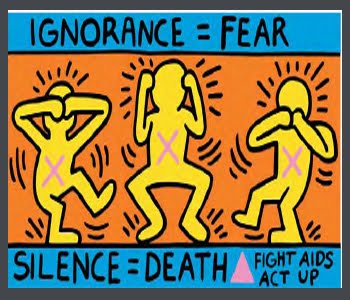
Ecuador: HIV/AIDS

This small Andean country with a population of about 15 million people has a concentrated HIV epidemic, with approximately 0.4 per cent of adults infected. Quito, the capital city has an estimated prevalence of 19.3 per cent. The rate of infection is said to be steadily increasing.

Image courtesy of Women News Network
Ecuador HIV statistics: People living with HIV -37,000; HIV prevelance - 0.4 per cent; Deaths due to AIDS - 2,200. With such relatively low rates compared to other countries I've lived in except Canada, it is no wonder that I found World AIDS Day rather unacknowledged here. Nevertheless, I still think we are far from achieving an AIDS free generation around the world.

Read the piece I wrote on June 5th on how misconceptions about antiretroviral drugs may be fooling people into not taking enough precaution to prevent HIV infection.

Stay safe and have a happy December.